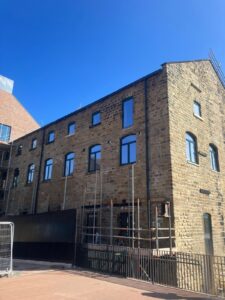
Reviving Leeds’ Industrial Past: Henley Restoration Appointed to Lead the Transformation of Midland Mills

Henley Restoration and Remedials Ltd, part of the Henley Construction Management Group, is proud to announce its appointment by City Life Developments Ltd as principal contractor for the restoration and structural transformation of Midland Mill, one of Leeds’ oldest surviving textile mills and a cornerstone of the city’s rich industrial heritage.

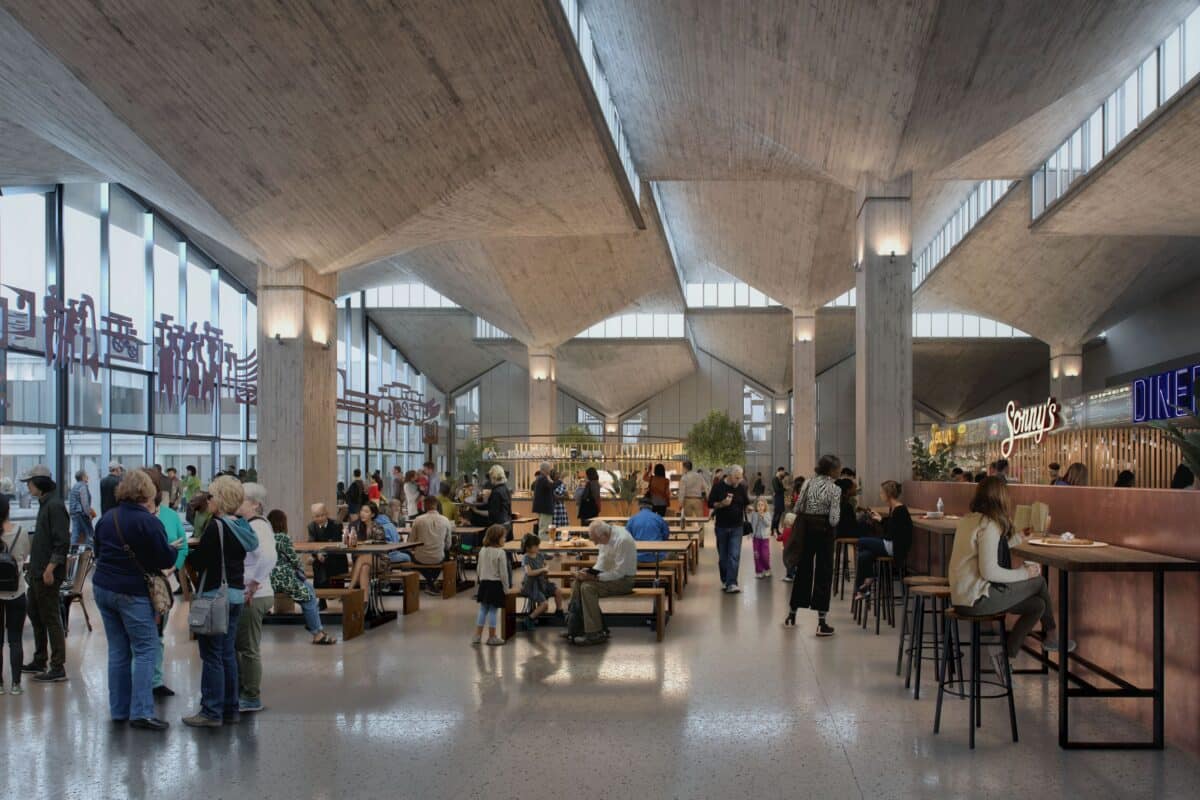
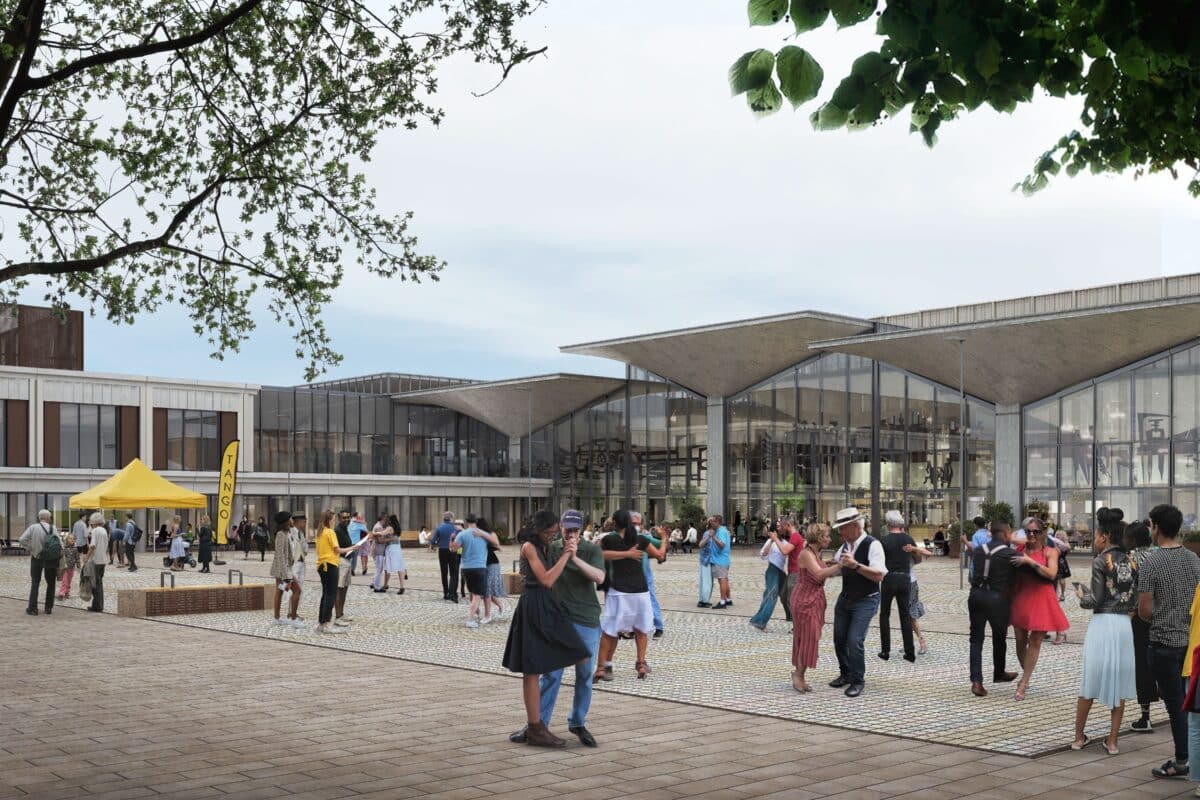
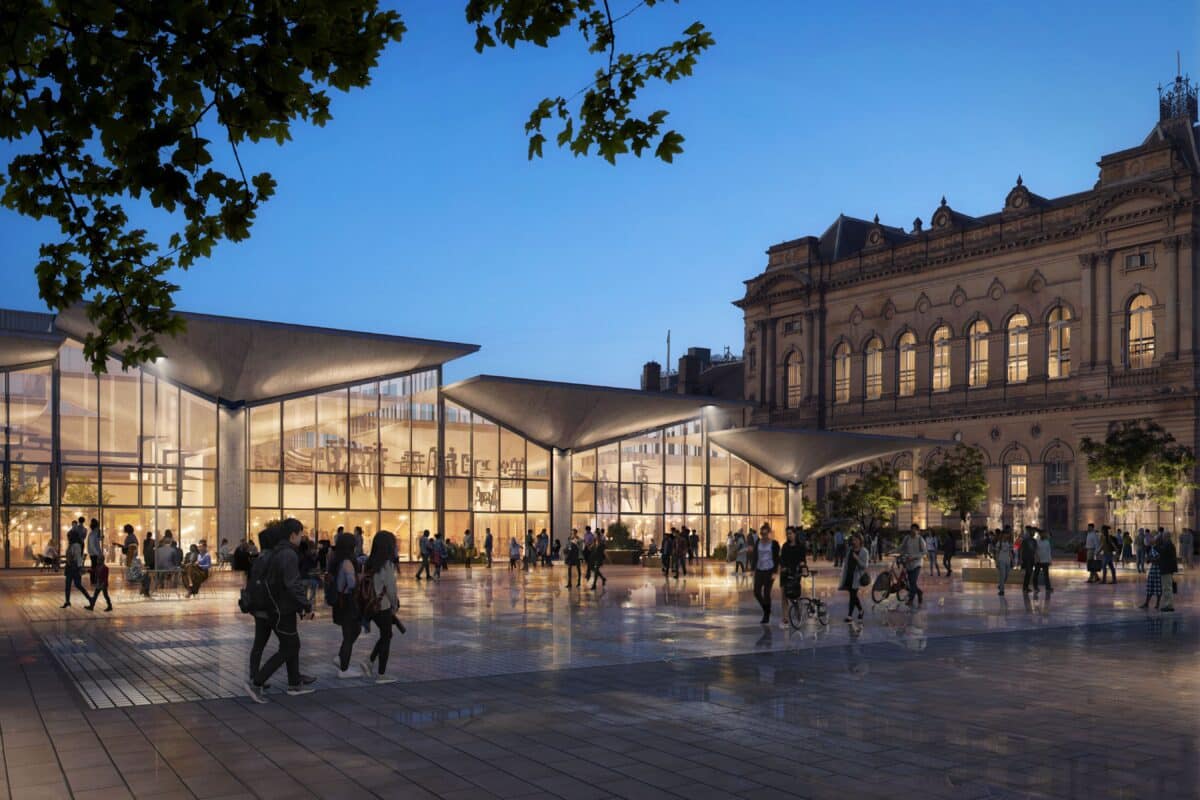
The restoration of Midland Mill marks a flagship phase in the wider Sky Gardens development within the South Bank regeneration zone. The project embodies the convergence of an ambitious urban redevelopment with a deep respect for Leeds’ architectural legacy.

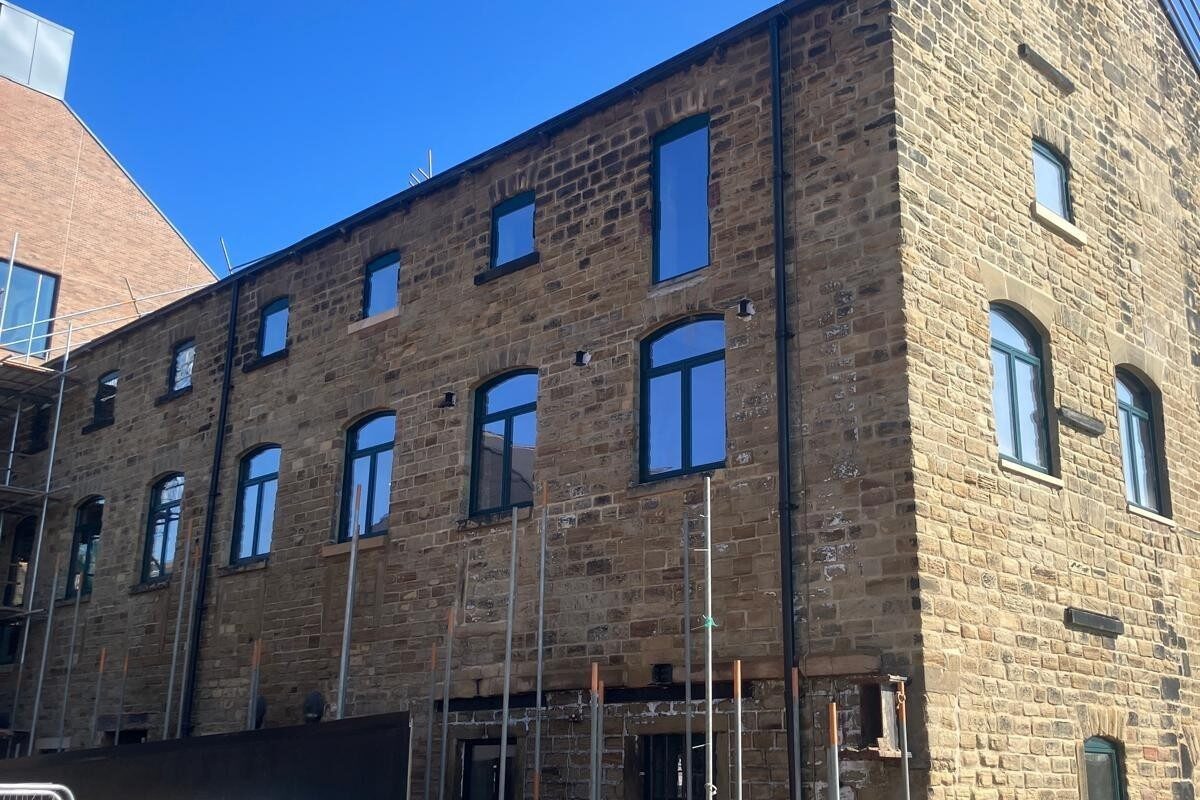
Built in 1793 and listed by Historic England as the Midland Junction Foundry, Midland Mill is a powerful symbol of Leeds’ industrial heritage. Its transformation is not just about restoration but reimagining a listed building for the future, preserving its historic character while making it structurally and environmentally fit for modern use.

Henley Restoration and Remedials Ltd is a key part of the Henley Construction Management Group, with the expertise and resources to deliver large-scale restoration and remediation projects across the UK.

Working in close collaboration with the Group’s other specialist divisions, Henley Stone Specialists Ltd, Henley Brickwork, Henley Rail, and partner HZS Stainless Steel Ltd, the business benefits from a broad range of in-house capabilities. These include the supply of high-quality stainless-steel components, fixings, structural supports, and bespoke fabricated elements tailored to meet the demands of complex and highly specialised construction environments.  This integrated model, supported by a trusted, long-standing supply chain, enables the Group to deliver a wide spectrum of projects, from commercial and award-winning residential schemes to heritage restoration, remediation, and specialist works within the rail industry, all with efficiency, technical precision, craftsmanship, and architectural sensitivity.

Henley’s appointment marks the start of a highly specialist and technically demanding programme of works. This is not a routine restoration, but a full transformation designed to reimagine the building for future use while safeguarding its original character.

As part of the preparatory phase, an initial highly accurate 3D photogrammetry survey was carried out to assess the full extent of the building’s condition and inform the detailed planning of the restoration. With activity now underway on site, the team has commenced a carefully coordinated programme of works, supported by engineered temporary works to ensure safety and precise control throughout. Several elevations will be fully dismantled and rebuilt, combining meticulous planning with specialist techniques to protect the building’s historic fabric. Structural reinforcement will be carried out using precision stainless steel components fabricated by Group partner HZS Stainless Steel Ltd, providing vital support to the existing timber, masonry, and concrete, thereby securing the building’s long-term stability and heritage character.

Early works include the careful removal and replacement of damaged stone cills and the full and safe stripping of the existing asbestos slate roof. Henley’s in-house teams will then undertake the roof replacement, installing a new steel structure, fabricated once again by HZS Stainless Steel Ltd, topped with a natural slate covering discreetly integrated with solar PV tiles. This innovative and rare solution for a listed building is expected to generate over 40,000 kWh of renewable energy annually, delivering sustainability while remaining sensitive to the mill’s historic form.

Specialist façade cleaning will be carried out by our expert remedials team using Therm-atec steam cleaning technology, which employs gentle, non-invasive techniques to remove years of accumulated paint, mastic, and surface grime. This process carefully reveals and preserves the building’s original fabric without compromising its integrity.

Our comprehensive external repair programme will restore the building’s envelope, including full rake-out and repointing of brickwork and stone with breathable lime mortar, replacement of defective materials, and installation of new guttering and downpipes designed to seamlessly complement the building’s historic character. The restoration also involves the bespoke manufacture and installation of timber sash and Georgian windows, precisely matched to the original profiles. Several elevations will be meticulously rebuilt using salvaged or sympathetically replicated materials, with every detail carefully managed to preserve architectural authenticity throughout the mill.

“This is a flagship heritage project and a major undertaking,” said Tom Cardoe, Managing Director – Restoration, Henley Construction Management Group. “Our role isn’t just to preserve the past, it is to structurally future-proof it. This is where Henley sets itself apart: we plan, we build, we restore, all in-house.”

Shaun Henley, Managing Director, Henley Construction Management Group, added:
“This project is one we’re genuinely proud to be part of. While the client’s vision sets the direction, it is the dedication, expertise, and collaboration across the team that bring it to life. At Henley, we are committed to delivering complex, heritage-led projects with care and to the highest standards.”

Gareth Morgan, Managing Director at City Life Developments, said:
“Appointing Henley Restoration and Remedials Ltd was an easy decision. Their experience, attention to detail, and genuine respect for heritage buildings made them the natural choice. Midland Mill sits at the heart of Sky Gardens, a major development for Leeds, and we look forward to seeing it brought back to life as a symbol of the city’s evolving future.”

As works progress on site, Henley Restoration and Remedials continues to strengthen its reputation as a trusted contractor within the heritage and specialist construction sectors, seamlessly blending traditional craftsmanship with forward-thinking innovation. We invite you to follow the transformation of Midland Mill as it reclaims its place as a proud and enduring landmark in Leeds’ evolving cityscape.


See our portfolio of works. 
Celebrating Success Across the Henley Construction Management Group

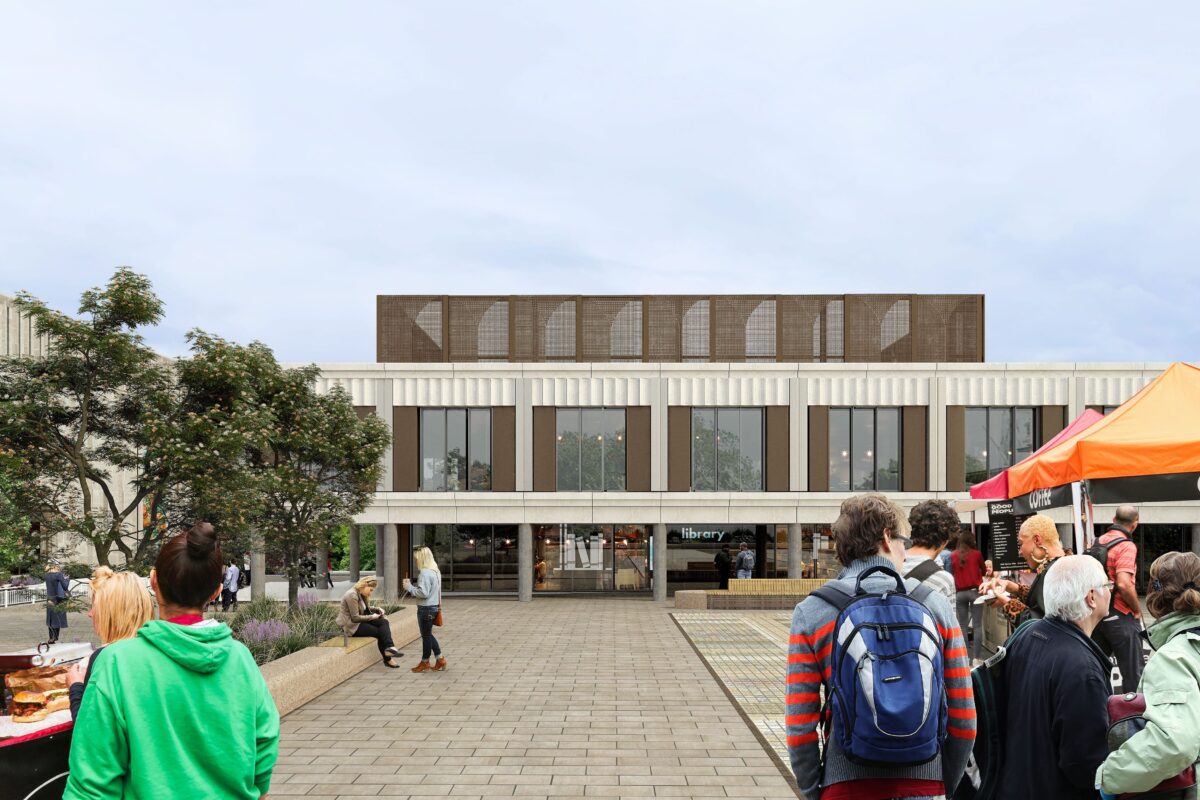
We’re proud to share that our sister division, Henley Stone Specialists, has been appointed to deliver the full GRC package for Our Cultural Heart – the landmark regeneration of Huddersfield’s town centre. A brilliant win for the team and a project that holds great local significance for our Group, which is headquartered in West Yorkshire.

Their involvement spans from early design coordination through to installation, supporting BAM Construction and the client, Kirklees Council, in bringing this transformational scheme to life.

👏 Congratulations to everyone involved!

🔗 Read the full story on the Henley Stone Specialists website: www.henleystonespecialists.co.uk/our-cultural-heart

Phoenix Mill: A Testament to Collaboration, Innovation & Restoration

Phoenix Mill: A Landmark Restoration Project

[Restoration works underway at Phoenix Mill]
Phoenix Mill stands as a distinguished example of what can be achieved when engineering and construction specialists unite with a shared vision. As part of the Tileyard North regeneration in Wakefield, this Grade II landmark is undergoing a transformative restoration, set to become the anchor of a 135,000 sq. ft. creative hub—the largest of its kind outside London.

This ambitious project has been made possible through grant funding from Historic England, support from the Levelling Up Fund (LUF), and contributions from Wakefield Council and City & Provincial Properties. Upon completion, Phoenix Mill will serve as a catalyst for Wakefield’s cultural and creative industries, seamlessly blending heritage with modern innovation.

Expert-Led Restoration

At the core of this complex restoration is Henley Restoration & Remedials, a division of Henley Construction Management Group, entrusted with carrying out extensive external, internal, structural repairs, landscaping and architectural metal work. The works involve intricate partial demolition and rebuild, which has required a highly coordinated and specialist approach.

Henley has collaborated and worked closely with Civic Engineers, specialists in structural, civil, and transport engineering, whose expertise in historic structures has been crucial in guiding each phase of the restoration. Renowned architects Hawkins\Brown and Project Managers OPERA have also been instrumental, ensuring the project progresses through a meticulously planned and collaborative effort.


[The full team – before works commenced on Phoenix Mill.]
Overcoming Structural Challenges

The restoration of Phoenix Mill has presented significant technical challenges, particularly in preserving its historic structure, while undertaking essential repair works. Careful planning and innovative temporary stabilisation solutions have been critical in ensuring a safe working environment, especially through the partial demolition and reconstruction process.

Ensuring the long-term stability of this Grade II mill while adapting it for future use requires a delicate balance between heritage, conservation and modern engineering solutions.

Innovation in Site Logistics and Safety

One of the most complex logistical challenges has been Phoenix Mill’s riverside location, sat on the banks of the River Calder. A location that renders traditional scaffolding impractical. In response, Civic Engineers pioneered an innovative solution—a bespoke multi brace jack arch cantilevered scaffold system to enable the scaffolding to be beamed out of two existing windows


[Phoenix Mill, alongside river Calder]

This pioneering approach involved assembling the scaffold on a floating pontoon before securing it with cantilevered beams anchored within the mill’s basement apertures. This innovative method not only facilitated essential restoration work in a safe and controlled manner but also minimised any physical impact on the building’s historic fabric, showcasing outstanding engineering ingenuity.

Billy Brand, Associate and Structural Engineer at Civic Engineers, commented:

“This project required a meticulous approach to both time and detail. We carefully analysed the building’s structural behaviour to develop a solution that balanced practicality with preservation. By working closely with Henleys and their scaffold designers, we ensured the suspended system was not only safe and functional but also sensitive to the mill’s historic character, allowing restoration work to proceed efficiently without unnecessary intervention.”

Preserving Historic Fabric

A key achievement of this restoration has been the preservation of the vast majority of the mill’s original structure, an essential consideration from both a heritage and sustainability perspective.

Due to the age of Phoenix Mill, the building required significant structural repairs to the majority of masonry and timber elements. These works necessitated close collaboration between a number of specialists to design discreet, minimal interventions that are sympathetic to the building’s historic character while ensuring complete structural integrity.


[New roof truss now in position]

The east gable of Phoenix Mill has undergone the most extensive restoration, requiring a full takedown and rebuild. Extensive temporary propping was essential to stabilise the structure, with Henley Restoration & Remedials and Civic Engineers developing a carefully sequenced strategy to enable safe intervention while at the same time not compromising the building’s stability.

A major milestone in the project was the successful installation of a 12.22-metre-long timber truss, weighing 995kg. Crafted from Douglas fir, the truss has been secured using traditional oak pegs and fir wedges, ensuring an authentic match with the original Mills timberwork.

Henley Restoration & Remedials has also played a pivotal role in conserving the mill’s original masonry. Wherever possible, materials were safeguarded and repurposed, while new heritage-recognised bricks and mortar were sourced for areas requiring replacement, ensuring repairs remain virtually indistinguishable from the original fabric.

[Careful takedown of east gable in progress]
A meticulous material analysis process has been instrumental in maintaining the mill’s authenticity. Henley’s expert team continues to conduct detailed remedial assessments, identifying the precise sand composition and lime pointing techniques required. To ensure seamless compatibility between the original structure and new interventions.

Every repair has been thoughtfully designed to protect the site’s industrial heritage, demonstrating an approach that is both technically robust and safe while undertaking and remembering the historic sensitivity of Phoenix Mill.

A Testament to Collaboration

Ongoing site inspections and consultations remain integral to the conservation process. Regular meetings between Henley Restoration & Remedials, Civic Engineers, Hawkins\Brown, OPERA, and the project’s stakeholders have facilitated in-depth discussions on repair options and material samples, ensuring the highest standards of craftsmanship and technical precision.


Tom Cardoe, Managing Director of Henley Restoration & Remedials, commented:

“Building strong relationships through regular on-site meetings has been key to this project’s success. We consistently collaborate, developing creative solutions that preserve historic fabric while balancing modern needs. This approach reflects the high standards we always uphold in Henley Restoration projects and ensures our site teams’ safety while navigating complex structural takedowns and rebuilds.”

Looking Ahead

As the complete restoration of Phoenix Mill nears completion later this year, the project stands as a testament to the power of collaboration. An achievement, that the whole of the Wakefield community can take great pride in.

As the final instalment of the Tileyard North regeneration, this transformation exemplifies how historic buildings can be sensitively adapted for modern use, while at the same time preserving their unique and historical identity.

With completion on the horizon, Phoenix Mill is set to become a cornerstone of Wakefield’s creative and cultural resurgence. This restoration project showcases the impact of technical expertise, innovative thinking, and strong partnerships in helping to shape the future of heritage conservation.

We look forward to sharing further updates as this extraordinary project reaches its final stages.

For more details on our work carried out on this project or to view our latest case studies, [click here].